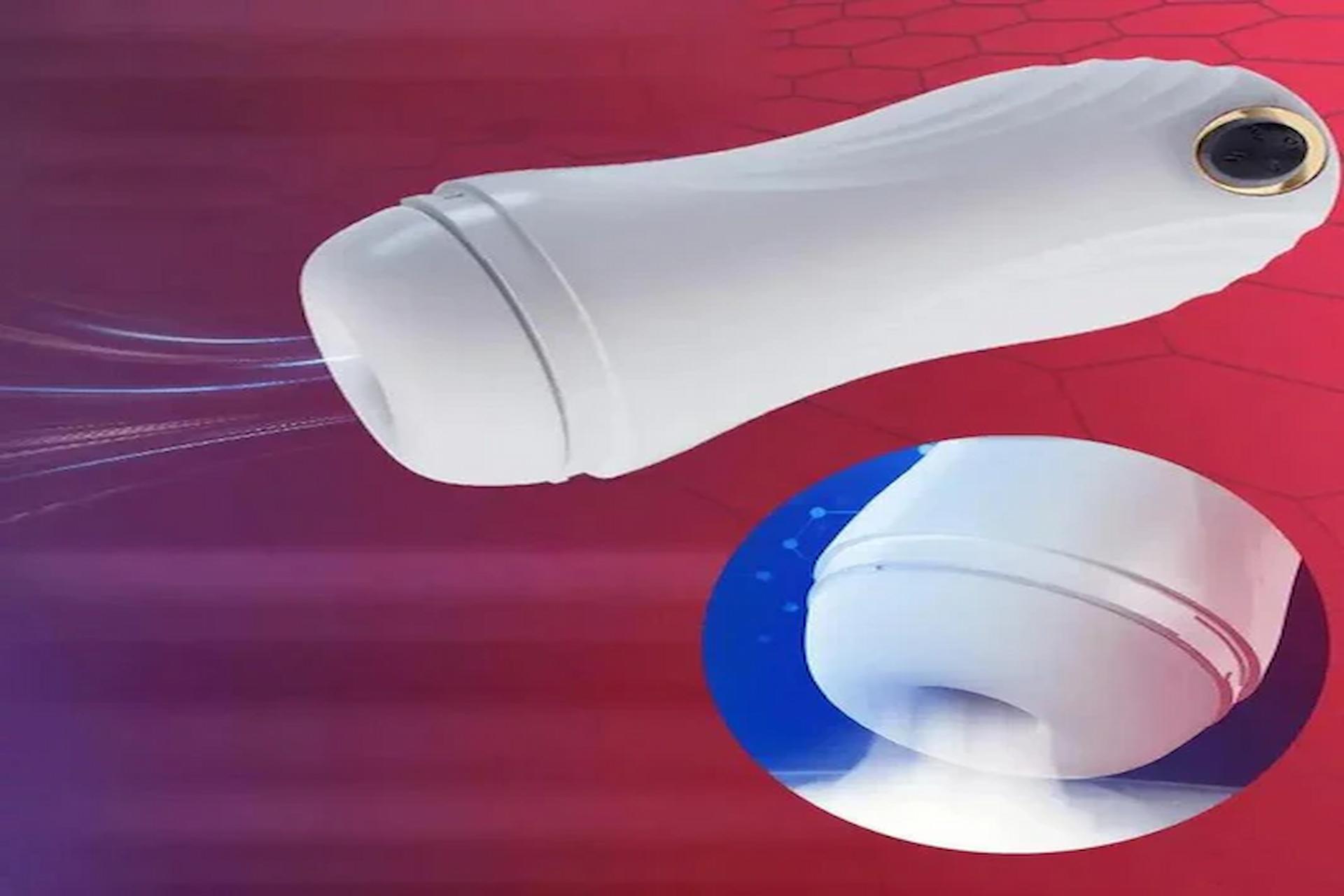
The evolution of personal pleasure devices has been shaped as much by engineering as by design. What may appear to be a simple product on the surface is, in reality, the result of careful technical development aimed at creating distinct sensory experiences. From motor precision to vibration algorithms, each component plays a role in delivering comfort, consistency, and variety.
Modern innovations have transformed how devices such as a warming male masturbator are designed. Rather than relying on basic mechanical movement, today’s products integrate advanced motor systems and programmable patterns that respond to different preferences. This shift reflects a broader trend towards personalisation and user-centered engineering.
The Role of Motors in Pleasure Devices
At the core of most pleasure toys lies the motor. While it may seem like a standard component, its quality and configuration significantly influence the overall experience.
Manufacturers typically choose between different types of motors, each offering unique characteristics:
- Eccentric rotating mass (ERM) motors: Common in many devices, these produce vibration through an off-center weight attached to a spinning shaft. They are reliable and cost-effective, but may lack precision at lower speeds.
- Linear resonant actuators (LRA): These deliver more controlled and consistent vibrations. They respond quickly to changes in frequency, making them ideal for devices with varied patterns.
- Brushless motors: Known for durability and quiet operation, these are often used in premium products where smoothness and longevity are priorities.
The selection of motor type depends on the intended experience. For example, a device designed for steady stimulation may prioritise consistent output, while one focused on dynamic patterns requires rapid responsiveness.
Understanding Vibration Patterns
Vibration is not just about intensity. The way vibrations are delivered over time—often referred to as patterns or modes—defines how a device feels in use.
Engineers develop these patterns by adjusting several variables:
- Frequency: The speed of vibration cycles per second.
- Amplitude: The strength or depth of each vibration.
- Rhythm: The sequence in which intensity rises and falls.
By combining these elements, manufacturers create a range of sensations, from gentle pulsations to more complex wave-like patterns. Some devices offer preset modes, while others allow users to customise settings through digital interfaces.
Precision Engineering for Sensory Variation
Creating varied experiences requires more than simply increasing or decreasing power. Engineers must consider how vibrations interact with materials and ergonomics.
For instance, the placement of the motor within the device affects how vibrations travel. A centrally positioned motor may produce uniform stimulation, while multiple motors placed at different نقاط can create layered sensations.
Material selection also plays a role. Softer materials tend to absorb and diffuse vibrations, resulting in a more subtle feel. Firmer materials transmit vibrations more directly, offering sharper feedback. Balancing these factors ensures that the device delivers its intended performance.
Temperature Integration and Its Impact
In recent years, temperature control has become an important feature in many advanced designs. Products that incorporate heating elements aim to simulate natural warmth, enhancing comfort and realism.
Devices like a warming male masturbator integrate heating technology alongside vibration systems. This requires careful coordination between thermal components and motors to maintain consistent performance without compromising safety.
Engineers must ensure that:
- Heat is distributed evenly across the device.
- Temperature remains within safe limits.
- Motor performance is not affected by prolonged warmth.
This combination of thermal and mechanical engineering adds another layer of complexity, but it also broadens the range of possible experiences.
Noise Reduction and Discreet Operation
Another key consideration in motor design is noise. Early devices often produced noticeable sound due to basic motor construction. Today, quieter operation is a standard expectation.
To achieve this, manufacturers focus on:
- Motor isolation: Reducing vibration transfer to the outer casing.
- High-quality bearings: Minimising friction and mechanical noise.
- Efficient power management: Ensuring smooth operation without abrupt changes.
Quieter motors not only improve discretion but also contribute to a more refined user experience.
Power Management and Battery Efficiency
As devices become more advanced, managing power consumption becomes increasingly important. Motors, heating elements, and control systems all require energy, and balancing these demands is essential for usability.
Engineers optimise battery performance by:
- Using energy-efficient motors.
- Implementing smart power controls that adjust output based on usage.
- Designing rechargeable systems with fast charging capabilities.
Efficient power management ensures that devices remain reliable without frequent interruptions.
The Importance of User-Centred Design
While technical features are crucial, they must align with user needs. Engineers often work alongside designers and researchers to understand how people interact with these products.
This process involves:
- Studying ergonomic comfort and grip.
- Testing different vibration patterns for user preference.
- Gathering feedback to refine performance.
The goal is to create devices that feel intuitive and adaptable, rather than overly complex.
Innovation Through Digital Integration
Recent developments have introduced digital controls and connectivity into pleasure devices. Some products now feature app-based interfaces, allowing users to adjust settings with greater precision.
This integration enables:
- Customisable vibration patterns.
- Remote control functionality.
- Synchronisation with other media or devices.
Digital features expand the possibilities of motor and vibration design, offering a more personalised experience.
Balancing Performance and Safety
Safety remains a fundamental aspect of engineering in this category. Motors and heating elements must operate within strict limits to prevent overheating or malfunction.
Manufacturers address this by:
- Incorporating automatic shut-off systems.
- Using temperature sensors to monitor performance.
- Ensuring materials are body-safe and durable.
These measures ensure that advanced features do not compromise reliability.
Conclusion
The design of modern pleasure devices reflects a blend of mechanical precision, material science, and user-focused innovation. Motors are no longer simple components; they are carefully engineered systems that shape how a product feels and performs. Combined with sophisticated vibration patterns and features such as temperature control, they enable a wide range of tailored experiences.
As technology continues to evolve, the focus is likely to remain on refinement and personalisation. By understanding how these devices are engineered, it becomes clear that their development is rooted in both technical expertise and a deep awareness of user expectations.