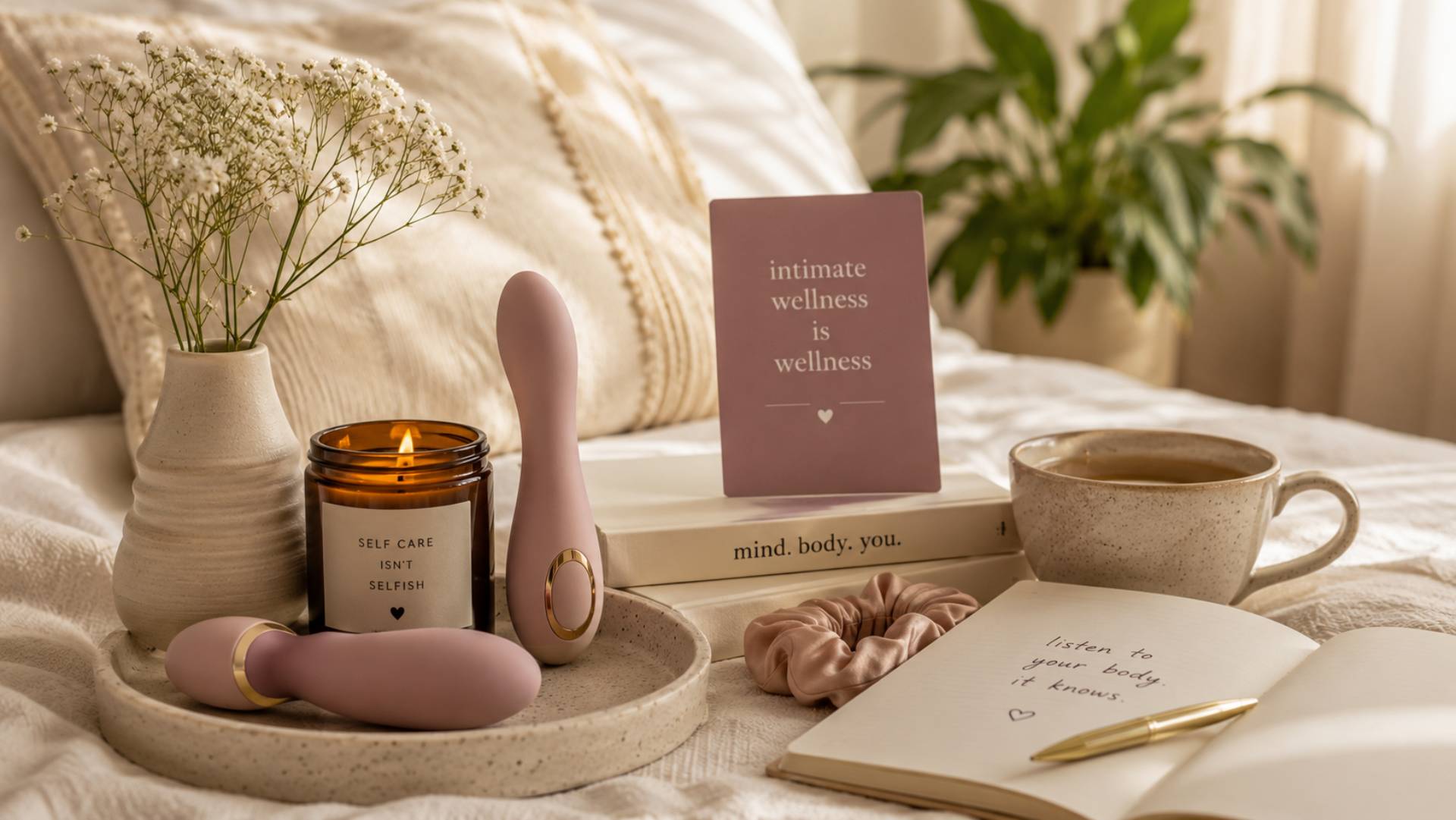
Intimate wellness is moving beyond whispers and embarrassment. More people now see it as part of everyday self-care, alongside rest, exercise and emotional wellbeing. The change is encouraging more open conversations about comfort, confidence, boundaries, body awareness and informed choices without turning a private subject into something shameful or sensational.
Introduction
Self-care is often linked with sleep, nutrition, exercise and mental wellbeing, yet intimate wellness deserves a place in the same conversation. It can involve understanding your body, protecting personal comfort, communicating boundaries and making informed choices. As conversations become more open, brands such as Lace and Luna sit within a wider shift towards treating intimacy with greater confidence, privacy and responsibility. This change is not about making private matters public. It is about replacing embarrassment with useful information, encouraging safer choices and recognising that personal wellbeing includes areas people were once expected to avoid discussing with care, confidence and respect.
Why Intimate Wellness Is Becoming Part of Everyday Self-Care
The meaning of self-care has widened considerably. People are recognising that wellbeing includes not only what happens at the gym, kitchen table or during sleep, but also how comfortable, informed and confident they feel about their own bodies.
Self-Care Is Becoming More Personal
Intimate self-care can include body awareness, personal hygiene, emotional comfort, healthy boundaries and informed decisions. These are everyday wellbeing issues rather than subjects that need to be treated with embarrassment.
Sexual wellness is also highly individual. What supports one person’s wellbeing may be irrelevant to another. The goal is not to follow a fixed routine but to understand personal needs without pressure or judgement.
Better Information Is Replacing Secrecy
For years, intimate topics were often surrounded by vague advice, myths and embarrassment. Easier access to clear information is helping adults make more informed decisions about comfort, hygiene, consent and product safety.
Responsible information should educate rather than sensationalise. It should also recognise that preferences, relationships and levels of interest differ widely.
What Healthy Intimate Self-Care Looks Like
Intimate wellness does not need to involve complicated routines. Small, sensible habits can help people feel more comfortable and confident while reducing avoidable risks.
Put Comfort and Body Awareness First
Pay attention to how your body feels rather than dismissing persistent discomfort. Products intended for intimate use should be selected carefully, used according to their instructions and cared for properly.
A few useful habits include:
- Check materials and usage instructions before using a product.
- Keep reusable intimate products clean and properly stored.
- Avoid continuing with anything that repeatedly causes irritation.
- Seek professional advice when symptoms persist or cause concern.
Persistent pain, bleeding, unusual discharge, sores or recurring irritation should be discussed with a qualified healthcare professional rather than self-diagnosed.
Treat Consent and Boundaries as Part of Wellness
Self-care is emotional as well as physical. Feeling respected, safe and free to communicate preferences is central to intimate wellbeing.
Consent should always be voluntary, clear and ongoing. Boundaries can also change. Being comfortable enough to communicate those changes is an important part of healthy relationships and personal wellbeing.
Why Privacy Still Matters
Greater openness does not mean everyone wants intimate matters to become public. A healthier conversation should make information easier to access while allowing people to maintain control over what they share.
Privacy Can Make Wellness More Approachable
Discreet shopping, clear information and thoughtful presentation can remove some of the awkwardness traditionally associated with intimate products. The presence of retailers such as Lace and Luna also reflects how intimate wellness is increasingly being approached through privacy, personal choice and informed purchasing rather than embarrassment.
People should be able to research intimate health and wellbeing privately without feeling judged for asking ordinary questions.
Building a Healthier Intimate Wellness Routine
There is no universal checklist for intimate self-care. A useful routine should respond to personal comfort and wellbeing rather than trends or outside expectations.
Choose What Supports You, Not What Is Popular
Before introducing something new into your intimate self-care routine, consider:
- Does it genuinely support my comfort or wellbeing?
- Do I understand how it should be used?
- Are the materials and care instructions clearly explained?
- Am I making this decision without pressure?
- Does my concern require professional medical advice instead?
These questions help keep intimate wellness centred on informed choice rather than impulse.
Use Respectful Language Around Intimate Health
The way people talk about intimate wellness matters. Neutral, clear language makes difficult questions easier to ask and can reduce unnecessary shame.
There is also no need to compare personal preferences with other people’s experiences. Healthy self-care allows room for different boundaries, relationships and comfort levels.
FAQs
Can intimate wellness really count as self-care?
Yes. Intimate wellness can include personal comfort, hygiene, body awareness, communication, consent and healthy boundaries. These areas can form part of broader physical and emotional wellbeing.
Does intimate self-care always involve buying products?
No. Intimate self-care may simply involve understanding your body, communicating more clearly, respecting personal boundaries, maintaining good hygiene or seeking professional advice when something feels wrong.
How can I make safer choices about intimate products?
Read product descriptions, materials, care guidance and usage instructions carefully. Choose products designed for their intended purpose and stop using anything that causes persistent irritation or discomfort.
When should intimate discomfort become a medical conversation?
Persistent pain, unusual bleeding or discharge, sores, recurring irritation or unexplained changes should be assessed by an appropriate healthcare professional. Products and online information should never replace medical diagnosis or treatment.
Closing Remarks
Intimate wellness is becoming part of the wider self-care conversation because comfort, confidence, privacy, consent and body awareness all contribute to wellbeing. The healthiest approach is not about following trends or buying more products. It is about making informed choices, respecting personal boundaries and knowing when professional advice is needed. Better education can also reduce the shame historically surrounding intimate topics, making it easier for adults to ask sensible questions and find reliable information. Retailers such as Lace and Luna form part of this changing landscape by making intimate wellbeing easier to approach within a modern self-care conversation. Ultimately, intimate self-care should feel personal, respectful and pressure-free. When discussions are grounded in safety, privacy and choice, intimate wellbeing becomes easier to view as one natural aspect of caring for yourself as a whole.